








































Engaging in Forex trading looks like a perfect side hustle – low barriers, global markets, and the promise of quick profits. But many entrepreneurs don’t realize that forex isn’t a business you “scale” – it’s a zero-sum game where smart traders take money from the unprepared.
Before making your first trade, consider the right strategy and the risks that could ruin you.
Is Forex a Good Fit for Your Entrepreneurial Mindset?
Forex rewards patience, discipline, and consistency – not aggressive growth. Unlike a startup, where more effort usually leads to better results, trading success depends on risk control and knowing when to stay out of the market.
If you dislike losing money, find it hard to stick to strict rules, or get emotional about setbacks, engaging in Forex might not be the right fit for you. You can succeed if you think about probabilities, accept that losses are just part of the game, and maintain your discipline when things get tough.
Understanding Market Behavior Before You Trade
Forex doesn’t work like stocks or crypto. Global economic policies, interest rates, and geopolitical events influence the movement of currencies, often surprising new traders.
Take EUR/USD trading, which is the most traded pair globally. The U.S. Federal Reserve (Fed) and the European Central Bank (ECB) heavily influence its price movements. If you don’t track these economic shifts, you’re trading blind.
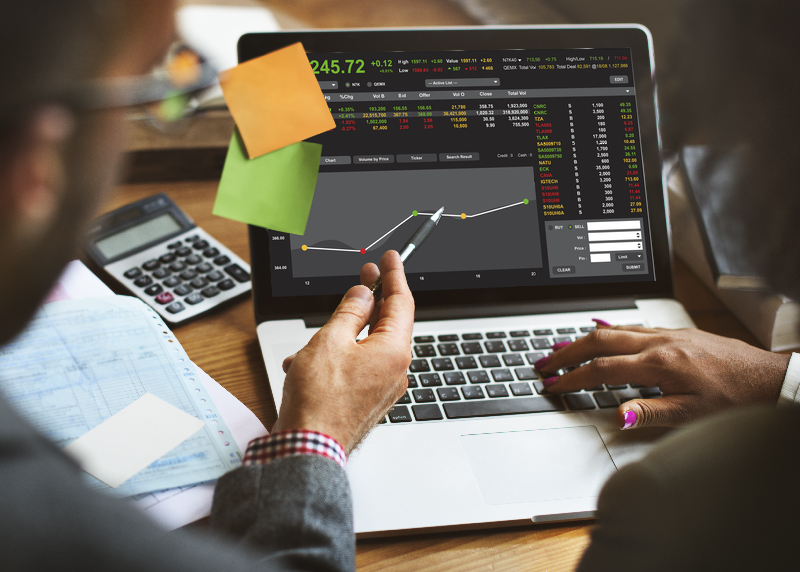
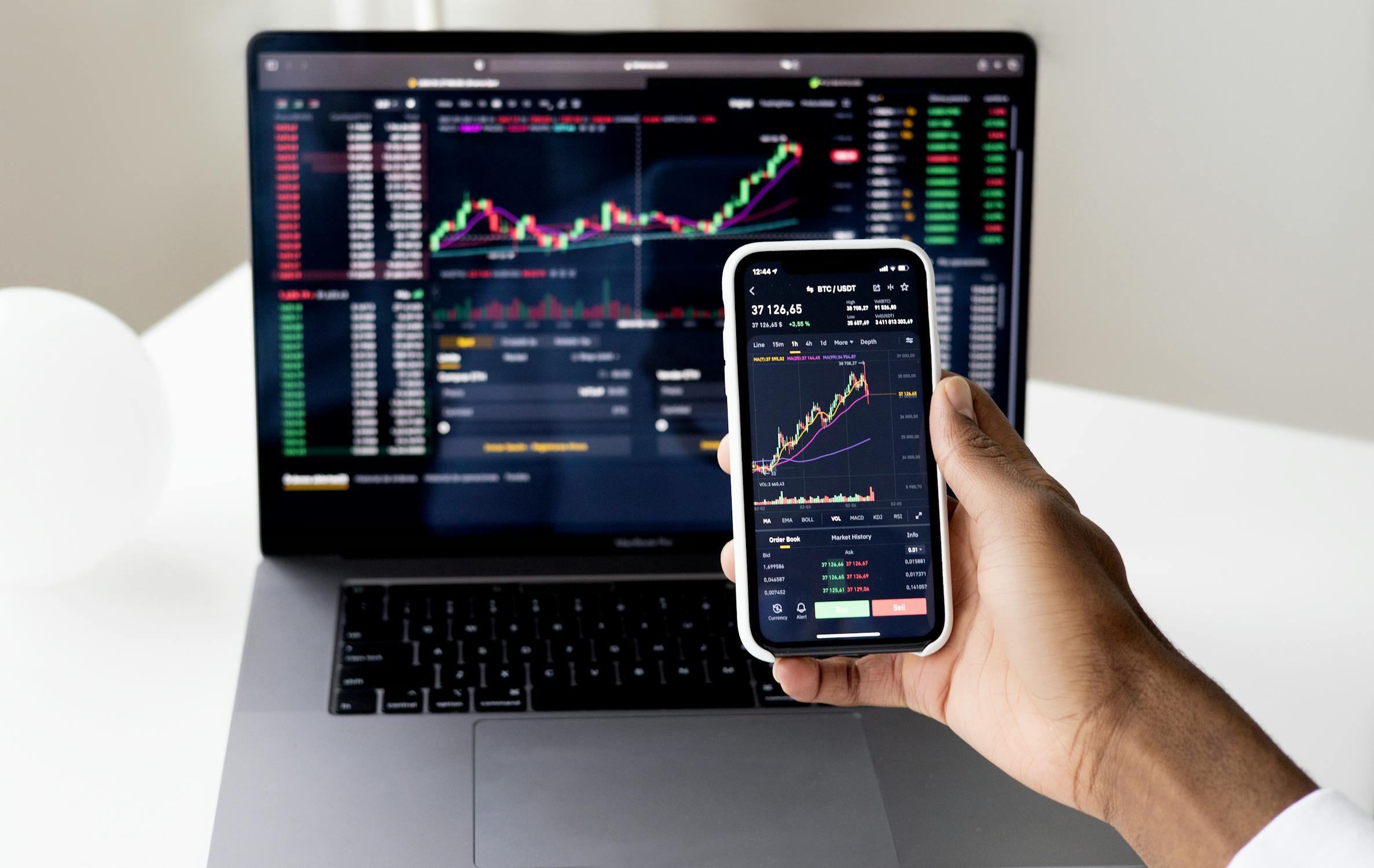
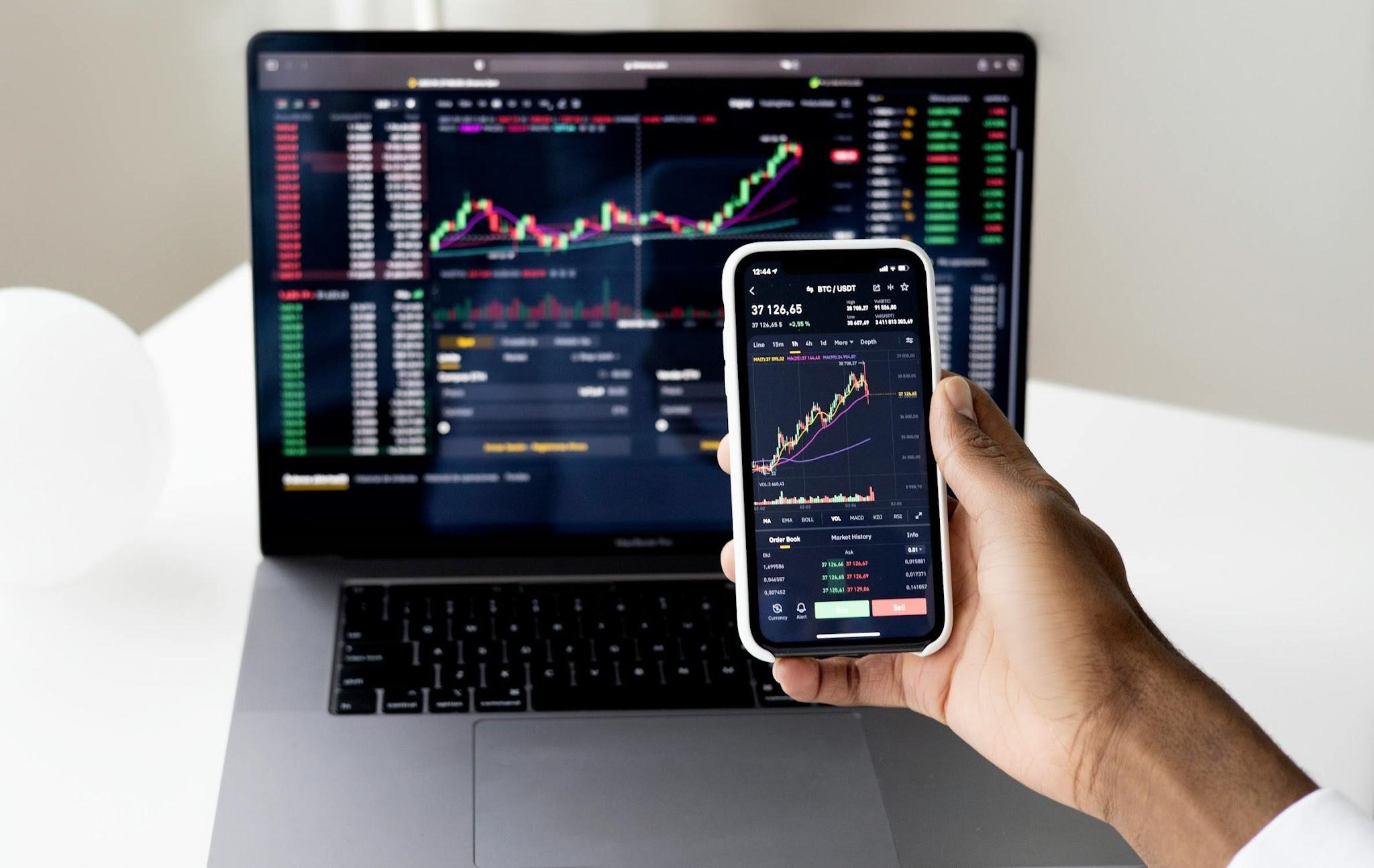
Technical analysis – like reading charts and trends on an official website – helps, but it’s useless if you ignore the real reasons why currency prices move. Before you trade, ask yourself: Do I understand what’s driving the market today? If not, you shouldn’t be trading yet.
The Role of Risk Management
Engaging in Forex isn’t about making money – it’s about keeping it. New traders lose because they risk too much per trade or use excessive leverage.
Professionals typically risk only 1-2% of their account per trade, while beginners often overinvest, resulting in rapid losses. Leverage is another silent killer. A small 1% price move against you with 50:1 leverage can wipe out half of your account.
The best traders focus on position sizing, stop-loss orders, and emotional control. You won’t last long in this game if you don’t have a solid risk management plan.
Choosing the Right Broker: Avoiding Scams and Hidden Fees
A bad broker can make forex even harder. Since there’s no central exchange, brokers act as middlemen – and not all play fair.
Stick with regulated brokers under authorities like the NFA (U.S.), FCA (UK), or ASIC (Australia). Unregulated brokers can manipulate prices, delay withdrawals, or disappear with your funds.
If a broker offers ridiculous leverage, huge bonuses, or “guaranteed” profits, it’s probably a scam.
Trading the Right Currency Pairs
Not all currency pairs move the same way. Some are easy to buy and sell and stay stable, while others fluctuate. Using reliable forex tools can help traders analyze these movements and make informed decisions.
EUR/USD is the most commonly traded currency pair, accounting for 24% of all global forex trades. It has low spreads, high liquidity, and strong price movements, making it a better option for beginners than more unpredictable foreign pairs.
However, trading EUR/USD means keeping an eye on U.S. and European economic data, primarily interest rate decisions and inflation reports. The more you understand these macroeconomic factors, the better your chances of success.
The Psychological Game: Controlling Emotions in Trading
Most traders lose not because of bad strategies – but because they can’t control their emotions. Fear, greed, and impatience turn winning trades into losing ones.
One of the worst habits is revenge trading – trying to win back a loss with impulsive, oversized trades. Another mistake is closing profitable trades too early out of fear.
Successful traders stick to their plan, trust their process, and accept losses as part of the game. If you can’t control your emotions, you can’t trade profitably.
Testing and Refining Your Strategy Before Trading Live
No entrepreneur launches a business without testing the product first – yet many jump into forex without testing their strategy. That’s why demo trading exists.
Before risking real money, you should backtest your strategy on historical data and demo trade in real-time conditions. But be warned: demo trading feels different from actual trading because there’s no emotional pressure.
That’s why starting small with real money is key. Use the smallest lot size and scale up only when you consistently prove you can be profitable. Keeping a trading journal also helps – tracking your wins, losses, and mistakes makes it easier to refine your approach.
Conclusion
Entrepreneurs considering Forex must approach it like a business, not a hobby. Define your risk, separate your mindset from daily operations, and commit to disciplined execution. Using proven forex day trading strategies, backed by risk management and emotional control, allows you to trade with a structured approach while protecting your home business capital. Patience, preparation, and consistency are your greatest allies for long-term success in the Forex market.
FAQs
1. Can forex trading be treated as a scalable business like other entrepreneurial ventures?
No, forex trading is fundamentally different from traditional businesses. It’s a zero-sum game of probabilities where success depends on risk management and discipline, not on scaling operations or increasing effort. Unlike a startup where more work typically yields more results, in forex, overtrading and emotional decisions often lead to losses. Entrepreneurs should approach it as a skilled profession requiring strict psychological control rather than a scalable business model.
2. What’s the single biggest risk that causes new traders to fail?
The combination of excessive leverage and poor risk management is the primary cause of failure. Many beginners use high leverage (like 50:1), meaning a small 1-2% market move against them can wipe out most of their capital. Professional traders typically risk only 1-2% of their account per trade, while beginners often risk much more due to emotional decisions or misunderstanding leverage’s destructive potential when used improperly.
3. How do I choose a legitimate forex broker and avoid scams?
Always select brokers regulated by reputable authorities like the NFA (U.S.), FCA (UK), or ASIC (Australia). Avoid unregulated brokers who may manipulate prices or disappear with funds. Red flags include promises of “guaranteed profits,” unrealistically high bonuses, or excessive leverage offers. Research broker reviews, verify regulatory status on official websites, and start with smaller deposits to test withdrawal processes before committing significant capital.
4. Which currency pair is best for beginners and why?
EUR/USD is widely recommended for beginners because it’s the most traded pair globally (24% of all forex trades), offering high liquidity, tight spreads, and relatively predictable behavior influenced by transparent economic policies from the Federal Reserve and European Central Bank. While still volatile, it’s generally less erratic than exotic pairs. Beginners should master this major pair before attempting others, as it provides clearer fundamental analysis opportunities.
5. How long should I practice on a demo account before trading live?
Most professionals recommend 3-6 months of consistent demo trading, but duration matters less than achieving specific milestones: consistently executing your strategy, maintaining emotional discipline during losses, and understanding why trades win or lose. The critical transition is moving from demo to “live small” – starting with minimum position sizes to experience real-money psychology while limiting risk. Demo trading alone is insufficient because it lacks emotional pressure.
Find a Home-Based Business to Start-Up >>> Hundreds of Business Listings.